
Skip to content
Evidence Based

Evidence Based

Development of the Leg Wrap was guided by an extensive review of the clinical literature related to weeping edema, highly exudative lower-leg conditions, fluid management, caregiver burden, quality of life, and current standards of care. The body of literature addressing these topics has grown significantly over the last decade. The increased number of articles and information may reflect the parallel rise in rates of chronic vascular disease, diabetes, obesity, and other conditions associated with lower-extremity edema and wound complications over recent years.

The literature consistently identifies several challenges associated with managing highly exudative lower-leg conditions, including dressing saturation, leakage, skin maceration, frequent dressing changes, caregiver burden, and increased healthcare resource utilization. These findings closely mirrored the clinical challenges observed in practice and helped define the Leg Wrap's multiple usage objectives.

To further evaluate the product, a pilot clinical evaluation was developed to assess product performance and caregiver usability in real-world care settings. While the study was ultimately not initiated, substantial work was completed in study design, literature review, safety assessment, and research planning.

Related documents

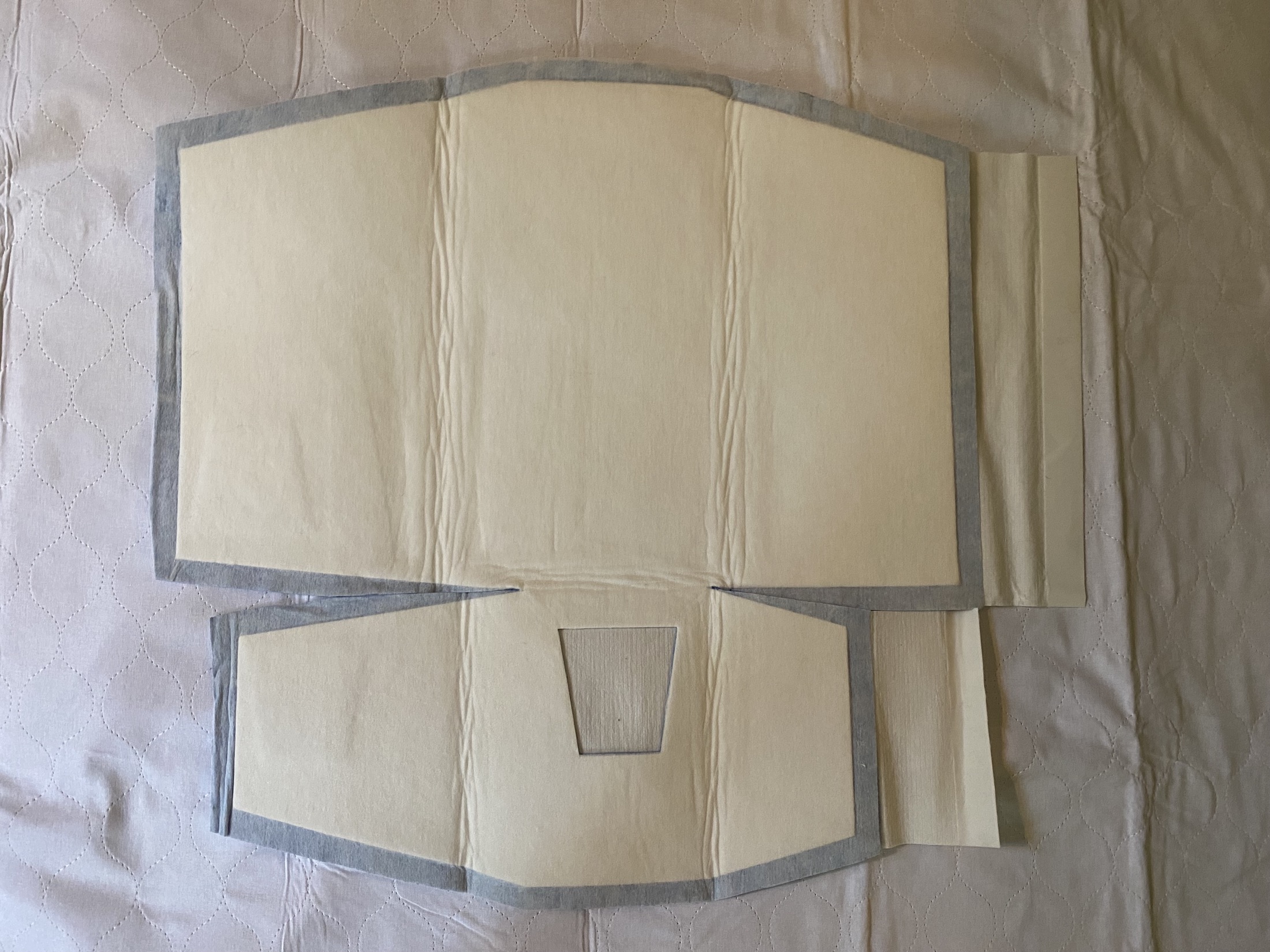
Leg Wrap product image

Addressing Unmet Needs: A Solution for Managing Highly Exudative Leg Conditions.

Managing fluid associated with highly exudative leg conditions, such as lymphorrhea, commonly referred to as weeping leg edema, presents significant challenges that can substantially diminish the quality of life for affected individuals. This complexity also places considerable strain on healthcare systems, which often struggle to meet the needs of patients requiring frequent nursing interventions for dressing changes involving complex gauze wraps. Patient and family feedback frequently indicates that, despite daily care, their needs remain inadequately addressed, primarily due to several intrinsic limitations associated with bulky gauze wraps.

  1. Firstly, the cumbersome nature of these wraps necessitates nursing visits every one to two days for dressing changes, raising concerns regarding the delegation of such tasks to non-professional caregivers due to care and safety issues.

  2. Secondly, the absorbent capacity of gauze materials is inherently limited, often leading to saturation before the next scheduled visit.

  3. Thirdly, cotton-based gauze is ineffective in wicking fluid away from the skin, which can result in maceration and an increased risk of new wounds and infections.

  4. Fourthly, the lack of adjustability in these wraps can lead to either excessive looseness, causing the wrap to slip down the leg, or excessive tightness, which may induce pain and create potential ischemic conditions as fluid dynamics evolve.

  5. Fifthly, gauze wraps hinder the ability to visually assess the wound or skin without necessitating a complete dressing change.

  6. Sixthly, there is inadequate protection against fluid leakage through the dressing, leading to soiling of patients' clothing, furniture, bedding, and other personal items.

  7. Lastly, the inability to apply a medical compression stocking over a bulky gauze wrap further complicates the application of potentially beneficial compression treatments.

Additionally, the emotional impact of ongoing fluid leakage can be profound, with patients often expressing feelings of uncleanliness, anxiety, and shame. Family members and caregivers frequently experience frustration, sadness, and helplessness as they witness their loved ones enduring this persistent challenge.

Research Proposals

To further evaluate the product, a pilot clinical evaluation was developed to assess product performance and caregiver usability in real-world care settings. While the study was ultimately not initiated, substantial work was completed in study design, literature review, safety assessment, and research planning.

Addressing Unmet Needs: A Solution for Managing Highly Exudative Leg Conditions.

The DLW was originally conceptualized in 2013 as an innovative solution to enhance the protection, absorption, and overall quality of life for patients experiencing weeping lower leg edema. It has now evolved into a safety-manufactured product, ready for clinical trial. This pilot study will primarily assess the willingness and capability of an average caregiver to perform dressing changes safely, efficiently, and independently, utilizing four wraps for a total of four dressing changes on one leg. Additionally, the study will encompass essential aspects of wound care, including cleansing the skin and the application of barrier creams. This information will be provided through tailored instruction from a nurse assisting with the study, which will also encompass guidance on the proper application of the DLW to ensure an optimal fit around the leg.

  • P

    For patients needing frequent RN visits to provide difficult, bulky, gauze wrap dressing changes for weeping edema or chronic draining wounds:

  • I

    are non-professional caregivers able to manage their own dressing changes independently using the disposable leg wrap

  • C

    when compared to various caregivers’ ability or willingness to safely provide dressing changes using the current traditional bulky gauze wraps

  • O

    which many family caregivers, or other non-licensed caregivers find too difficult to manage, necessitating daily RN visits for this care. Will the DLW be viewed more as simply “a diaper for the leg”

  • T

    which would be determined by providing 2 wraps for CGs with a “teach, show, teach back” training to the caregiver, who will then decide if they are willing to provide the next 2 dressing changes with an evaluation of their experience after this is completed.

A Bridge to Hope. A Clinical Study Evaluating New Options for the Early Treatment of Chronic Lymphorrhea.

This pilot study, referred to as Study #2, investigates the option of using the Disposable Leg Wrap, with a focus on the innovative capacity for initiating early, safe home wound care management in conjunction with safe, level 2 compression MCS (20) treatment at the onset of an exudative event such as lymphorrhea - preferably within the initial 72 hours. Historically, the delivery of such timely care has been hindered by various factors, including delays in patients seeking assistance, challenges in accessing medical care, and the absence of an appropriate product in the current wound care market that enables non-professional caregivers to safely, quickly, and easily apply the DLW absorbent dressing, allowing twice daily dressing changes on their own. This study is designed to assess whether there are measurably improved clinical outcomes with BID dressing changes and leg hygiene, performed in conjunction with safe, relatively mild compression via the use of a level 2 MCS, in the early stage of an exudative event. Because the DLW has shown to be simple and safe to apply, non-professional caregivers can be delegated to perform this care, which has not been possible due to the limitations associated both the use of difficult to apply bulky gauze wraps and delays in accessing wound care.

  • P

    For six patients identified to be in the first 72 hours of a chronic Lymphorrhea weeping episode

  • I

    does the early initiation of both frequent dressing changes and leg care, accompanied by safe Level 2 medical compression stocking (MCS) enabled by the Disposable Leg Wrap

  • C

    suggest that in comparison to patients who do not receive early exudate management and compression

  • O

    have objectively or subjectively (pt report) better outcomes in the form of lessened skin maceration and inflammation, and either resolution of or shortened course of a weeping episode

  • T

    and will involve the provision of fourteen individual disposable leg wraps to each participant, facilitating two dressing changes and leg cleansing per 24 hours. This will occur alongside the use of a carefully measured level II MCS, which has been established as safe even for patients with an Ankle-Brachial Index (ABI) of 0.5 or lower (14, 20). Additionally, two MSC’s will be provided to each participant. After a 7-day period, the condition of the leg will be assessed, focusing on any changes in exudation, the overall condition of the skin, and the patient's reported comfort before, during, and after this initial treatment phase. These patients will be contacted daily by phone for updates and to provide support as needed.

References

The literature review provided a strong evidence-based foundation for product development and reinforced the need for innovative approaches to managing highly exudative lower-leg conditions.

Request data-room access
  1. Woo, K., PhD, & Santamaria, N., PhD (2024). Using patient-reported experiences to inform the use of foam dressings for hard to heal wounds: Perspectives from a wound care expert panel. Journal of Wound Care, 33(11). https://doi.org/magonlinelibrary.com

  2. Lakhanpal, S., MD (2024, October 23). 7 Tips For Managing Leaky Legs. Center For Vascular Medicine. Retrieved June 19, 2025, from https://www.cvmus.com

  3. Zuther, J., PT (2023, January 2). Leakage of Lymph Fluid aka Lymphorrhea. Slupport the Lymphedema Blog. Retrieved June 19, 2025, from https://www.lymphedemablog.com

  4. Life Choice Hospice and Palliative Care (2024, October 16). Weeping Edema End of Life. My Life Choice. Retrieved June 19, 2025, from https://www.mylifechoice.org

  5. Pramod, S., RN, BSN (2025). Healthcare Demands and Patient Expectations of Palliative Wound Care. Wounds UK, 21(1). https://www.wounds-uk.com

  6. Gardner, Susan - tissue viability consultant, S. (2024). 'Leaky Legs is Not a Diagnosis!' Impact of exudate on patients with venous leg ulceration. JCN, 38(2). https://www.jcn.co.uk

  7. Ehrlich, C., MBA, Dean, S., DO, & Lisson, K., CMT, CLT (n.d.). My Skin is Weeping, What do I do? Lymphedema.com. Portions adapted from “Lymphedema Caregivers Guide, Lymph notes: 2009. Reviewed 2022 and 2024. Retrieved June 21, 2025, https://www.lipedema.com

  8. Walsh, A., ANP-BC (2022). Palliative Wound Care: Case Studies. Journal Of Hospice and Palliative Nursing, 24(1). https://occ-ovid-proxy.heal-wa.org

  9. Sezgin, D., PhD (2023). Defining palliative wound care: A scoping review by European Association for Palliative Care wound care taskforce. Journal of Tissue Viability, 32(4). https://doi.org/.

  10. Gethin, G., PhD (2025). Putting a spotlight on palliative wound care. Journal of Wound Management, 26((1):2). https://doi.org/10.35279/jowm2025.26.01.0111

  11. Nair, H., M.D., & Mosti, G., M.D. (2024). Leg ulceration in venous and arteriovenous insufficiency: Assessment and management with compression therapy as a part of a holistic wound-healing strategy. Journal of Wound Care, 33 (sup 10b)(10), 1-31. https://doi.org/10.12968

  12. Woo, K., PhD, RN, NSWOC, WOCC, & Santamaria, N., PhD (2024). Using patient-reported experiences to inform the use of foam dressing for hard-to-heal-wounds: Perspectives from a wound care expert panel. Journal of Wound Care, 33(11), 814-822. https://doi.org/10.12968

  13. Dunlap, E., CRNP, Fitzpatrick, S., DNP, ACNP-BC, & Nagarsheth, K., MD (2024). Case report: Treatment of chronic venous ulceration. Journal of Vascular Nursing, 43(1), 23-26. https://doi.org/10.1016/j.jvn.2024.11.005

  14. Mosti, G., MD, Wittens, C., MD, & Caggiati, A., MD (2024). Black holes in compression therapy: A quest for data. Journal of Vascular Surgery: Venous and Lymphatic Disorders, 12(2). https://doi.org/10.1016

  15. Schiurring, S., PT, DPT, & Bell, J., BHSc (2025, June 6). Compression Therapy Guidelines for Lower Extremity Oedema. Physiopedia. Retrieved June 22, 2025, from http://www.physio-pedia.com/index.php?

  16. Shukla, S., MD (2023). Use of Sanitary Napkin for Dressing in Hip Surgery: A Cost-Effective Measure. Journal of Orthopaedic Diseases and Traumatology, 6(2), 183. https://doi.org/10.4103/jodp.jodp

  17. Velickovic, V., MD (2023). Superabsorbent Wound Dressing for Management of Patients with Moderate-to-Highly Exuding chronic Leg Ulcers: A early Stage Model-Based Benefit-Harm Assessment. Journal of Lower Extremity Wounds, 22(2), 345-352. https://doi.org/10.1177

  18. Geri, C., MD, Zimmer, R., RN, & Vestergaard, M., PhD (2025). Superabsorbent wound dressings for the management of high-exuding wounds: A literature review. Journal of Wound Care, 34(1). http://pubmed.ncbi.nim.gov

  19. Casale, J., DO (2023). The Use of Feminine Hygiene Sanitary Pads as Wound Dressings for the Inframammary and Inguinal Folds. Indian Journal of Dermatology, 68(5), 589. https://doi.org/10.4103

  20. Thomas, M., DProf, Morgan, K., RGN, & Lawrence, P., RGN (2022, August 1). The Chronic Oedema Wet Leg Pathway. Lymphoedema Education. Retrieved June 22, 2025, from http://lymphoedemaeducation.com.au

  21. Bades, A., BS biochem (2024). The Power of Patient Stories. Journal of Community Nursing, 38(5). https://www.jcn.co.uk

  22. Ahmajarvi, K., PhD (2025). The Impact of Diagnostic Delay on Wound Healing - A Cohort Study in a Primary Care Setting. International Wound Journal, 22(5). https://doi.org/10.1111

  23. Whayman, N., RN (2015). The Causes and Treatment of Wet Weeping Legs. Wound Essentials, 10(1). https://wounds-uk.com

  24. (2024, November 14). Diabetes. World Health Organization (WHO). Retrieved June 27, 2025, from https://www.who.int

For organizations interested in exploring licensing opportunities

A secure Data Room link is available following execution of a Non-Disclosure Agreement (NDA). It contains additional technical information, commercial strategy, manufacturing overview, product vision, and other confidential material intended to support informed licensing discussions.

  • Wrap in action video
  • How it works - Proprietary design info
  • Leg wrap vision
  • Market assessment
1
Exploring licensing opportunities
For organizations interested in exploring licensing opportunities.
2
Non-Disclosure Agreement (NDA)
A secure Data Room link is available following execution of a Non-Disclosure Agreement (NDA).
3
Data Room
Additional technical information, commercial strategy, manufacturing overview, product vision, and other confidential material intended to support informed licensing discussions.
Data room